

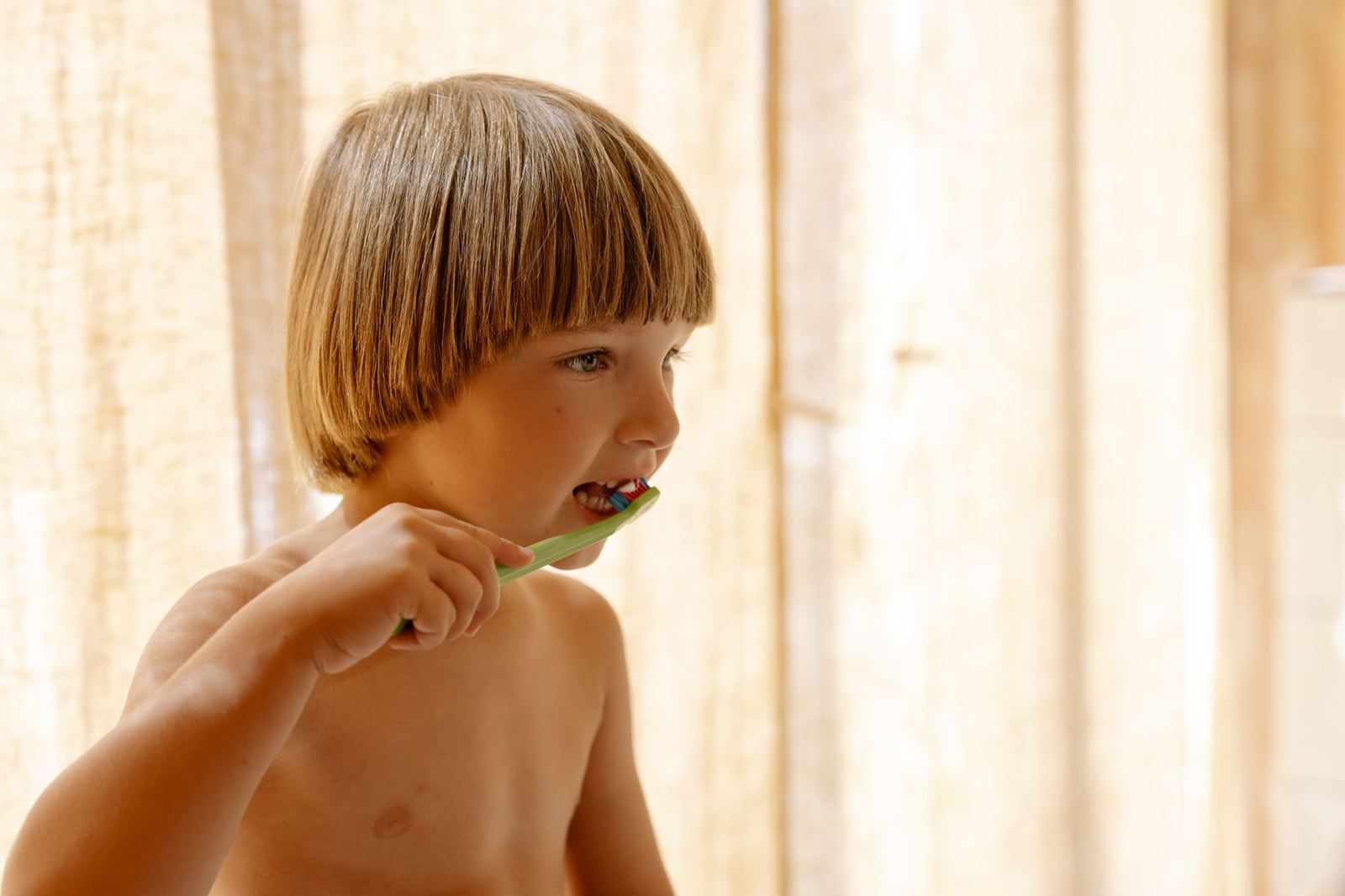
From the first tooth to adolescence: brushing, fluoride, diet and the time for the first visit.
Many parents take their child to the dentist when pain begins, yet the best time for the first visit is after the first tooth appears and at the latest at 12 months. The aim of an early visit is not treatment but for parents to receive correct care information. Because baby teeth hold the place of permanent teeth, decay in baby teeth should not be neglected.
Care by age
- Ages 0–2: wipe the gums with gauze; with the first tooth brush twice a day with a rice-grain amount of fluoride toothpaste. Avoid putting the child to sleep with a bottle.
- Ages 3–5: brush under parental supervision with a pea-sized amount of paste; limit sugary drinks.
- Ages 6–12: the permanent six-year molars emerge; protect them from decay with fissure sealants. Build the flossing habit.
- Adolescence: orthodontic assessment (ages 12–14), mouthguards for sports injuries.
A fear-free first appointment
Use positive phrases with your child beforehand, such as 'the dentist will count your teeth'; avoid negatives like 'it won't hurt' or 'no needles'. The first meeting at our clinic is introduction rather than treatment: the child tours the play room, sits in the chair and meets the light and mirror. If needed, treatment proceeds in short sessions at the next appointment.
Diet to prevent decay
- Limit sugary drinks and fruit juice to mealtimes; sipping through the day raises decay risk.
- Prefer cheese, yoghurt and raw vegetables over sticky foods (caramel, dried fruit).
- Giving water and brushing after meals reduces decay.
Children's examinations at our clinic are free and may be partly covered by partner insurers. You can use our online calendar to book.
When is it urgent?
- Facial swelling, fever and inability to chew: a same-day examination is needed.
- A broken or displaced tooth after a fall: keep the fragment in milk or saline and be at the clinic within 30 minutes.
- A loose baby tooth that will not come out: if the permanent tooth is coming in behind it ('shark teeth') a check is needed.
- Grinding teeth in sleep: common, but should be assessed if there is tooth wear.
With regular check-ups and fissure sealants the risk of decay in children falls markedly. A six-monthly check also helps your child befriend the dentist.
In summary
A child's first examination should take place after the first tooth appears and at the latest at 12 months; the aim is habit and information, not treatment. Regular check-ups, fissure sealants and proper diet protect a child's teeth for years.
This article is for general information and does not replace an examination; always consult your dentist before deciding on treatment.